What is digital marketing? The internet is now part of how Kenyan customers discover businesses, compare options, ask questions and decide what to buy.
That makes digital marketing in Kenya less of an optional promotional activity and more of a core part of how businesses compete and grow.
According to DataReportal’s Digital 2026: Kenya, Kenya had about 23.4 million internet users at the end of 2025, while social media platforms accounted for about 18.4 million user identities. Internet use also grew by about 2.1 million users between October 2024 and October 2025.
The opportunity is significant, but the market is also more fragmented: people move between search, social platforms, messaging apps, websites, marketplaces and creator content before making a decision.
So, what is digital marketing?
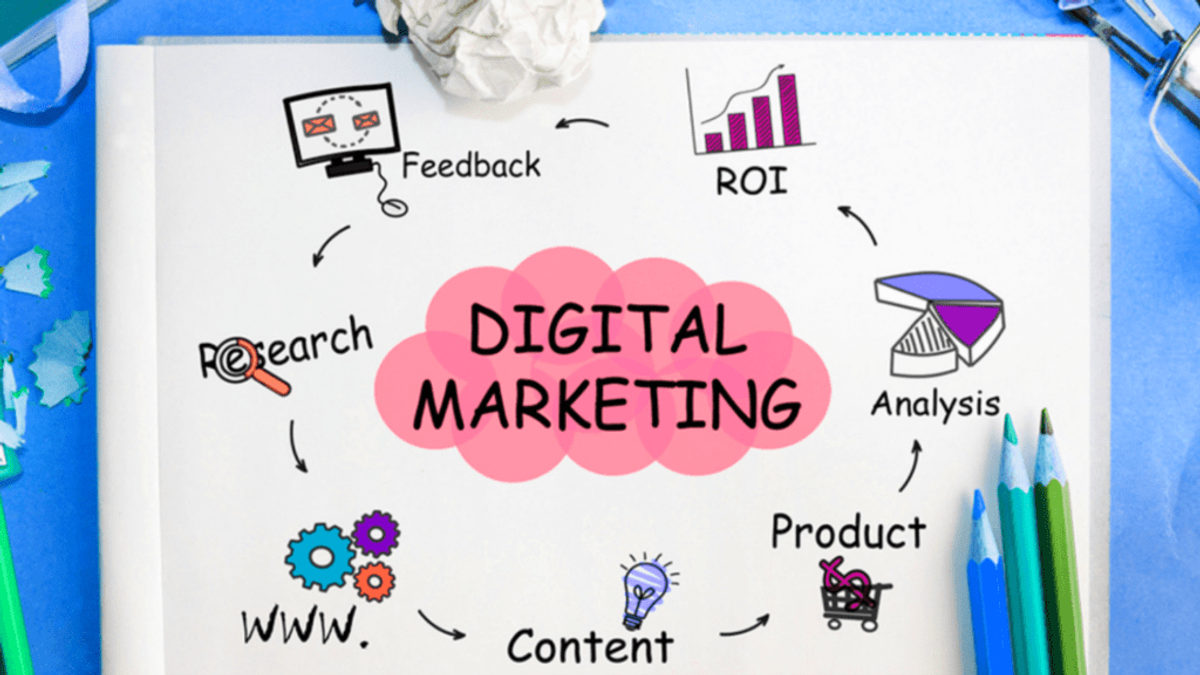
Digital marketing is the promotion of products, services, programmes or organisations through digital channels such as search engines, websites, social media, email, online advertising, video and messaging platforms.
The objective is not simply to be visible online. A good digital marketing strategy connects the right audience, message, channel and customer journey to a measurable business or communication outcome.
For businesses just getting started, online marketing in Kenya can still feel broad. The easiest way to make it practical is to understand the main channels, what each one is good at and how they work together.
Why every Kenyan Business needs Digital Marketing
Every business will have different objectives, but most digital activity eventually needs to support one or more of the following: awareness, demand, leads, sales, adoption, retention or customer service.
Digital marketing is valuable because it can help businesses:
- Reach customers where they already spend time online, including search, social platforms, websites, messaging apps and marketplaces.
- Target more precisely by audience, location, intent, behaviour or stage in the customer journey.
- Measure performance more clearly through clicks, leads, sales, sign-ups, calls, downloads and other conversion events.
- Test and improve faster by comparing messages, audiences, landing pages and offers instead of waiting until the end of a campaign.
- Build credibility and authority through useful content, reviews, search visibility and consistent digital experiences.
- Support the full customer journey, from first discovery to enquiry, purchase, onboarding, service and retention.
- Scale across markets more efficiently when the strategy is adapted to local audiences and channels rather than copied unchanged.
The important distinction is that digital marketing should not be measured only by activity. Followers, impressions and clicks can be useful signals, but leadership also needs to understand how marketing influences pipeline, revenue, adoption, retention or another defined outcome.
Digital Marketing Techniques in Kenya
There is no single channel that works for every organisation. The right mix depends on the audience, objective, offer and customer journey. Common digital marketing techniques include:
1. Search Engine Optimization (SEO)
SEO in Kenya is the process of improving website content, structure and technical performance so that relevant pages can be discovered through organic search.
Modern SEO also has to account for longer, more specific queries and AI-assisted search experiences.
Google’s current guidance is still centred on useful, original, people-first content and strong technical foundations rather than a separate shortcut for AI search. Google Search guidance for AI experiences reinforces that approach.
2. Search Engine Marketing (SEM) and Pay-Per-Click Advertising
Search engine marketing allows businesses to appear in paid search results when people are actively looking for a relevant product, service or solution.
Search works particularly well when intent is already high. A strong campaign needs relevant keywords or search themes, useful landing pages and reliable conversion tracking. For a deeper explanation, see search engine marketing in Kenya.
3. Social Media Marketing
Social media marketing in Kenya can support awareness, community, customer service, lead generation, employer branding and sales, depending on the platform.
Facebook, Instagram, TikTok, LinkedIn, X and YouTube serve different audiences and content behaviours. Platform selection should follow the audience and objective, not simply popularity. See how to structure a social media marketing campaign.
4. Content Marketing
Content marketing uses useful information to attract, educate and influence an audience over time.
This can include articles, videos, case studies, research, guides, webinars, newsletters and downloadable resources. In 2026, the strongest content is usually specific, experience-based and genuinely useful rather than written only to repeat keywords.
5. Email Marketing
Email marketing remains useful for lead nurturing, onboarding, retention, events, product education and customer communication.
The stronger approach is segmentation: send different messages based on interests, behaviour, customer stage or previous actions rather than sending one generic message to the entire database.
6. Video Marketing
Video marketing is now central to many digital journeys.
Short-form video can support discovery and awareness, while explainers, demonstrations, testimonials and longer-form video can help audiences understand more complex products or services. The format should follow the message rather than the trend.
7. Influencer and Creator Marketing
Influencer marketing can help brands borrow trust, cultural relevance and distribution from creators whose audiences align with the brand.
The focus should be on audience fit, credibility, clear disclosure and measurable outcomes rather than follower count alone.
8. Programmatic and Display Advertising
Programmatic and display advertising can help organisations reach defined audiences across websites and digital inventory.
These channels are most useful when the campaign has clear targeting, brand-safety controls, frequency management and a realistic conversion path.
9. Messaging and Conversational Marketing
Messaging platforms such as WhatsApp can support enquiries, lead qualification, customer service, appointment reminders and follow-up.
Businesses should treat messaging as part of the customer journey, with clear response workflows and appropriate consent.
10. Marketing Automation and CRM
Marketing automation and customer relationship management tools help teams connect leads, messages, follow-up and reporting.
Automation is most effective when the underlying journey is already clear; automating a poor process usually makes the poor process faster.
Top High performing content used in Digital Marketing in Kenya
The best content type depends on the audience and the role the content needs to play. Common high-performing formats include:
- Blogs and guides for search visibility, education and authority.
- Short-form video for discovery, reach and simple explanations.
- Long-form video and webinars for demonstrations, thought leadership and complex topics.
- Case studies for proof, credibility and consideration.
- Customer testimonials and reviews for trust.
- Infographics and data visualisations for making information easier to understand and share.
- Research, surveys and reports for thought leadership and media value.
- Email newsletters and nurture sequences for retention and lead development.
- Interactive tools, calculators and assessments for high-intent engagement.
- Interviews and expert commentary for credibility and differentiated insight.
A practical content strategy should also match the format to the customer journey rather than using one format everywhere.
Best Digital Marketing Tools for businesses in Kenya.
The right digital marketing tools should reduce manual work, improve decision-making or make customer journeys easier to manage. Useful categories include:
- Analytics and measurement: Google Analytics 4, Google Search Console and advertising-platform reporting.
- Search and SEO tools: Search Console, keyword research tools, site crawlers and performance tools.
- Email and automation: Mailchimp, Brevo, HubSpot, MailerLite and similar platforms.
- Social media management: Hootsuite, Buffer, Sprout Social, Later and native platform schedulers.
- Design and content production: Canva, Adobe tools and Figma for collaborative design workflows.
- Customer relationship management: CRM systems that connect leads, sales activity and customer history.
- User-experience insight: Microsoft Clarity or similar tools for understanding how visitors interact with websites and landing pages.
- Project and team collaboration: tools such as Asana, ClickUp, Monday.com, Slack or Microsoft Teams, depending on the organisation.
Do not build a technology stack simply because the tools are popular. Start with the workflow and reporting problem, then select the simplest combination that the team will actually use.
What does a Digital Marketer do in Kenya?
A digital marketer in Kenya may be responsible for strategy, campaign planning, media, content, analytics, optimisation or customer journeys, depending on the organisation.
Core responsibilities commonly include:
- Understanding the audience and the role different channels play in the decision journey.
- Setting measurable marketing objectives and selecting the right channels.
- Planning and managing paid, owned and earned digital activity.
- Working with creative, content, media, web and sales teams.
- Interpreting performance data and turning it into decisions.
- Improving landing pages, forms and other conversion points.
- Managing budgets and optimising campaigns based on business outcomes.
- Keeping up with platform, privacy, AI and search changes without chasing every new trend.
What type of content is better for each stage of the buyer’s journey in Kenya
The buyer journey is the path a customer takes from first recognising a need to evaluating options, making a decision and potentially becoming a repeat customer.
A simple way to map content is:
- Awareness: educational articles, short videos, social content, research, explainers and search-optimised content.
- Interest and consideration: comparison pages, webinars, detailed guides, product demonstrations, FAQs, testimonials and case studies.
- Decision and purchase: pricing information, consultations, demos, landing pages, proof points, offers and clear calls to action.
- Post-purchase: onboarding content, how-to resources, email sequences, customer support and product education.
- Retention and advocacy: loyalty communication, updates, customer communities, referral programmes, feedback and success stories. The key is to answer the questions the customer has at that stage rather than repeating the same promotional message throughout the journey.
How B2B and B2C companies can use Digital Marketing strategies in Kenya
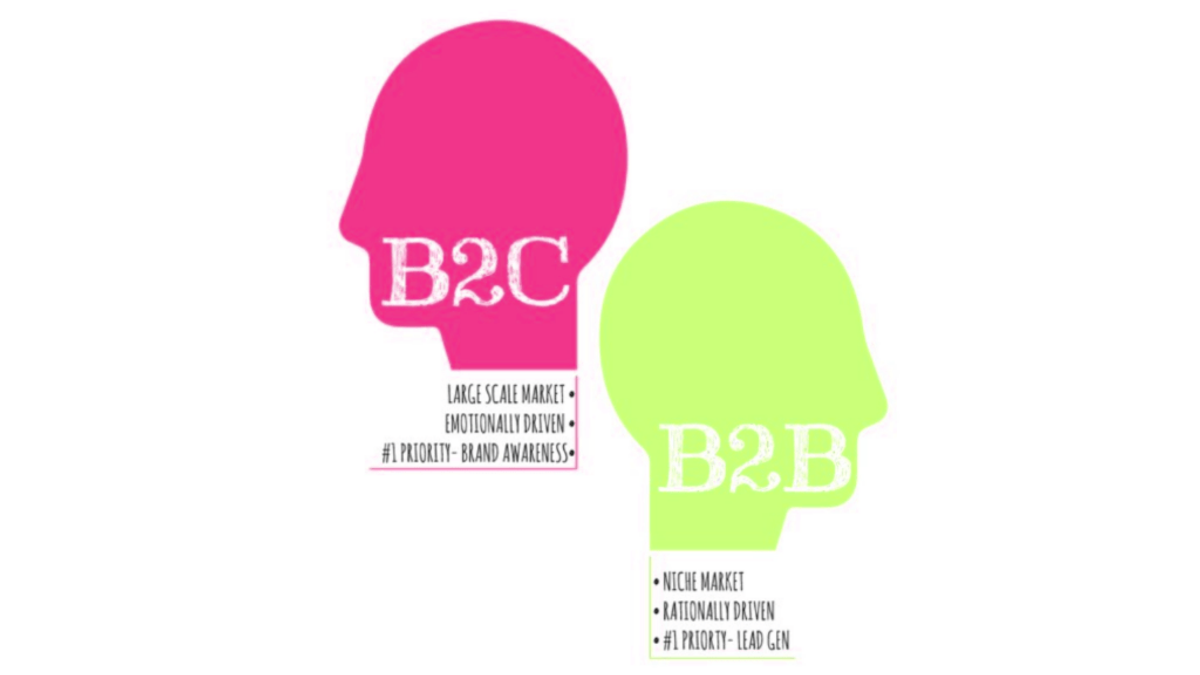
B2B digital marketing and B2C digital marketing use many of the same channels, but the buying process is usually different.
B2B organisations often deal with longer decision cycles, multiple stakeholders and higher-value decisions. Content therefore needs to support credibility, expertise and internal justification. LinkedIn, search, thought leadership, case studies, webinars, email nurturing and account-based activity can all play a role.
B2C organisations often have shorter journeys and larger audiences. Search, social media, creator content, marketplaces, email, video and messaging can be used to create discovery and reduce friction between interest and purchase.
The distinction is not absolute. What matters most is understanding who decides, what influences them and what evidence they need before acting.
What has changed in Digital Marketing
The basic marketing principle has not changed: understand the customer and create value. What has changed is the environment in which that happens.
- AI-assisted search is changing discovery. People are asking longer and more complex questions, while search engines increasingly summarise information. Useful, original content and sound SEO fundamentals remain important for visibility in both classic and AI-driven search.
- Customer journeys are more fragmented. A person may discover a brand on social media, research it on Google, read reviews, ask a question on WhatsApp and convert later through a website or physical location.
- Measurement needs to go beyond platform metrics. Strong teams connect campaigns to qualified leads, revenue, adoption, retention or other real outcomes.
- First-party data and privacy matter more. Organisations need clearer consent, data governance and responsible use of customer information.
- Content quality matters more than content volume. Generic content is easier than ever to produce. Useful experience, original evidence and clear points of view are therefore more valuable.
- Automation is becoming standard. AI and automation can help with analysis, targeting, personalisation and workflow, but human judgement remains necessary for strategy, brand, ethics and quality control.
Frequently Asked Questions
What is digital marketing in simple terms?
Digital marketing is the use of digital channels such as search engines, websites, social media, email, online advertising, video and messaging platforms to reach audiences and influence measurable actions.
How much does digital marketing cost in Kenya?
There is no single cost. Budgets vary according to the channels, audience, media spend, content requirements, technology, campaign duration and level of specialist support required.
Which digital marketing channel is best for a Kenyan business?
The best channel depends on where your audience is, what they are trying to do and the action you want them to take. Search can be strong for active intent, while social platforms can be stronger for discovery, community and visual storytelling.
Is SEO still important with AI search?
Yes. Search is evolving, but Google continues to recommend useful, original, people-first content, sound technical SEO and strong page experience for both traditional and AI-assisted search experiences.
What should a business measure in digital marketing?
Measure the metrics that connect to the objective. Depending on the campaign, this may include qualified leads, sales, revenue influenced, cost per acquisition, adoption, retention, bookings or other conversion events.
Can a small business do digital marketing without an agency?
Yes. A small business can start with a clear objective, one or two relevant channels and simple measurement. Specialist support becomes more valuable when the campaign, technology or reporting requirements become more complex.
Conclusion
Digital marketing is no longer about simply opening social media accounts or running occasional ads. It is the discipline of connecting audience understanding, content, media, technology and measurement around a clear outcome.
For Kenyan businesses, the opportunity is growing, but so is the need for better choices. Start with the customer, select the channels that match the journey, measure what matters and keep improving from the evidence.
If you are reviewing your digital marketing approach, explore Growthpad’s Digital & Associated Marketing services or talk to the team.