Choosing the right partner from the many website design companies in Kenya can have a long-term effect on how customers experience your business online.
A modern website is no longer simply a digital brochure. It can serve as a lead-generation channel, customer-service platform, e-commerce store, registration portal, knowledge hub or an important part of how an organisation delivers its services.
That means good website design now goes beyond appearance.
Businesses need to consider usability, mobile responsiveness, page speed, search visibility, accessibility, security, analytics and how easily users can complete the actions they came to the website to perform.
Google also recommends creating websites around a strong overall page experience and useful, people-first content rather than designing primarily for search engines. Google for Developers
The cost and complexity of building such a website will vary significantly depending on its purpose, functionality and integrations. If you are still defining the likely investment, our guide to website development pricing in Kenya explains the main factors that influence website development costs.
In this guide, we look at some of the top website design companies in Kenya, the platforms businesses can consider, the website-design process, common cost factors, SEO requirements and what makes a good business website today.
What is website design and why should you get one?
Website design is the process of planning and creating the structure, content, visual interface and user experience of a website.
In practice, web development in Kenya also involves the technical work required to make the site secure, responsive, fast, maintainable and connected to other business systems where necessary.
A professional website can help a business:
- Build credibility: customers often use a website to verify whether an organisation is legitimate, established and relevant.
- Generate leads and sales: clear pages, strong calls to action and useful landing experiences can turn visitors into enquiries or customers.
- Support customer service: FAQs, portals, resources, forms and self-service tools can reduce friction and repetitive enquiries.
- Improve search visibility: an SEO-friendly website gives search engines a clearer structure to crawl and users better content to discover.
- Operate across markets: a well-designed site can support multiple locations, languages, products or customer groups.
- Collect useful data: analytics and conversion tracking help teams understand how users find the site and where they drop off.
For organisations planning a new build or major redesign, the website development pricing guide is useful when defining scope and budget.
What are the best website design companies in Kenya
1.Growthpad Consulting
Growthpad is a Nairobi-headquartered communication and technology firm working across African markets.
Its technology services include websites, portals, selected digital builds, user-experience and service design, mobile applications, AI-enabled solutions and related digital work. Growthpad is particularly relevant for organisations that need the website to connect with a wider communication, adoption, data or operational mandate.
The current Growthpad practice model also places discovery, user and business requirements, journeys, interfaces, dashboards, workflows, privacy and governance within the broader digital-product process. See Growthpad’s Digital Products, Data and Service Design practice.
Have a Web Development project that needs to be discussed?
Contact Growthpad on +254701850850 or email strategic@growthpad.co.ke
2.Skyfalke
Skyfalke is a Kenya-based digital growth and technology company that offers web design alongside digital marketing, brand and technology services. Its current website positions web projects around performance, conversion and growth rather than appearance alone. Businesses comparing Skyfalke should review the fit between its web-development approach and the level of custom functionality, integrations and ongoing support their project needs.
3.Skyhost
Skyhost combines web design and web development with hosting and cloud infrastructure. Its public web-design packages include responsive design, landing pages, contact forms, Search Console setup and e-commerce options, while its hosting services cover SSL, backups, cloud hosting and technical support. This can be useful for organisations that prefer design, hosting and infrastructure support from one provider.
4. Ilani Concepts
Ilani Concepts offers website and e-commerce development, hosting, SEO, digital strategy, branding and related creative services. Its current website describes a multidisciplinary approach spanning strategy, design, technology and production. It may suit businesses that want website development combined with broader brand and creative execution.
5.Cassavahub
CassavaHub is a Kenya-based software development company offering website design and development, mobile applications, payment and API integrations, SaaS development, DevOps, SEO and cloud hosting. Its positioning is stronger on custom software and technical implementation, making it relevant for projects that may require more than a standard marketing website.

What are some of the platforms for website design for companies in Kenya?
The right platform depends on the website’s purpose, complexity, internal skills and long-term ownership model. Common options include:
- WordPress: widely used for content-led business websites, blogs and many marketing sites. The ecosystem is flexible, but plugins, maintenance and security need active management.
- Shopify: designed primarily for e-commerce and useful when a business wants a managed commerce platform with a large ecosystem of themes and apps.
- Webflow: useful for design-led marketing websites where teams want visual control with managed hosting.
- Wix and Squarespace: can work for smaller websites that prioritise speed of setup and simpler administration.
- Drupal: often used for larger, content-heavy or institutional websites that need structured content, governance and extensive customisation.
- Custom development: appropriate when the project needs specialised workflows, integrations, portals or functionality that a standard CMS cannot support efficiently.
For online stores specifically, Growthpad’s eCommerce development guide provides additional context on platforms and e-commerce requirements.
For retail and marketplace projects, eCommerce website design should also account for product discovery, checkout, payment integrations, mobile usability, fulfillment information and post-purchase communication.
What is the Process of Web Design?
A professional web-design process should reduce uncertainty before development begins. A typical process includes:
- Discovery and goal definition: clarify the business objective, audiences, user needs, success measures and key constraints.
- Scope definition: agree on pages, content, integrations, functionality, roles, timeline and budget.
- Information architecture and sitemap: organise the content so users can find what they need with minimal effort.
- Wireframes and user flows: map page layouts and critical journeys before visual design begins.
- Content development: write useful, search-aware copy and prepare imagery, video and downloadable resources.
- Visual and interface design: apply the brand system while prioritising clarity, accessibility and consistency.
- Development and integrations: build the website, connect forms, analytics, payments, CRM, APIs or other required systems.
- Testing and quality assurance: test across devices and browsers, check forms, links, accessibility, performance, analytics and security.
- Launch and migration: publish the site carefully, preserve important URLs where possible and configure redirects if the information architecture has changed.
- Maintenance and improvement: monitor performance, update software, fix issues, refresh content and use data to improve the experience over time.
What is the cost of Web Design in Kenya?
There is no reliable universal website development cost in Kenya because a five-page marketing site, an e-commerce platform and a custom customer portal are different products.
The main cost drivers include:
- Number and complexity of pages
- Custom design versus templates
- CMS or development platform
- E-commerce and payment requirements
- User accounts or portal functionality
- CRM, API and third-party integrations
- Content migration and copywriting
- SEO and analytics setup
- Accessibility and compliance requirements
- Hosting, security and backup requirements
- Ongoing website maintenance and support
When comparing quotations, make sure the providers are pricing the same scope. The cheapest quotation may simply exclude research, content, integrations, testing, maintenance or support that another provider has included. For a fuller breakdown, see Website Development Pricing in Kenya.
What is the SEO for your Website?
SEO, or Search Engine Optimization, helps search engines understand and discover your website while making the content more useful to people searching for relevant information.
A modern SEO-friendly website should consider:
- Clear page structure and descriptive headings
- Useful, original content aligned to real search intent
- Logical URLs and internal linking
- Title tags and meta descriptions
- Image optimisation and descriptive alternative text
- Fast, mobile-friendly performance
- Indexability and crawlability
- Structured data where appropriate
- Analytics and Search Console setup
Search is also becoming more AI-assisted. Google’s current guidance continues to emphasise unique, useful content, good page experience and strong technical SEO rather than a separate shortcut for AI results. Google Search guidance is a useful reference.
What are the Types of Websites?
- Business website: presents an organisation, its services, credibility and calls to action.
- eCommerce website: allows customers to browse, order and pay for products or services online.
- Portfolio website: showcases previous work, case studies, creative output or professional experience.
- Media or publication website: publishes articles, news, research or multimedia content.
- Nonprofit or institutional website: supports public information, programmes, donations, reports and stakeholder communication.
- Educational or learning website: supports courses, resources, enrolment and learning content.
- Customer or stakeholder portal: gives authenticated users access to personalised services, documents, dashboards or workflows.
- Web application: provides more complex interactive or transactional functionality through the browser.
What Makes a Good Website?
A good website should do more than look modern. It should work well for the people using it and for the organisation maintaining it.
1. Clear structure and navigation
Users should be able to understand where they are, what the organisation offers and what to do next without unnecessary effort.
2. Responsive web design
Responsive web design ensures pages adapt properly across smartphones, tablets and desktop screens. Mobile usability is essential in a market where many users reach websites through mobile devices.
3. Strong performance and Core Web Vitals
Performance affects usability and search experience. Google’s current Core Web Vitals focus on loading, interactivity and visual stability.
Recommended thresholds include Largest Contentful Paint within 2.5 seconds, Interaction to Next Paint of 200 milliseconds or less and Cumulative Layout Shift of 0.1 or less for most users. Web Vitals guidance provides the technical detail.
4. User experience design
Good user experience design reduces friction around the tasks visitors actually need to complete, whether that is finding information, making an enquiry, registering, buying or accessing a service.
5. Accessibility
Website accessibility makes digital content usable by more people, including people with disabilities. WCAG 2.2 is the current W3C web-accessibility standard and organises accessibility around content being perceivable, operable, understandable and robust. See the WCAG 2.2 overview.
6. Website security and privacy
Website security should include HTTPS, software updates, strong access controls, backups and responsible handling of customer information. Kenyan organisations collecting personal data should also consider their obligations under the Data Protection Act and ODPC guidance.
7. Useful content and search visibility
A website needs clear, current and useful content. Search engines and AI-assisted discovery increasingly reward pages that answer real questions with original value rather than generic copy.
8. Conversion and measurement
Forms, calls to action, contact options and conversion points should be easy to use. Analytics should then help the organisation understand which pages and channels are contributing to enquiries, sales or other outcomes.
9. Maintainability
The internal team should know who owns updates, software maintenance, backups, analytics, content and ongoing improvements after launch.
Questions to ask a Website Design Company before hiring
- What discovery or user-research process do you follow before design begins?
- Who will own the website, source code, domain, hosting accounts and design files after launch?
- How do you approach mobile performance, Core Web Vitals and accessibility?
- What SEO work is included in the scope?
- How will redirects and existing search equity be handled during a redesign?
- What analytics and conversion tracking will be configured?
- How do you manage security, backups and software updates?
- What happens after launch, and what does ongoing support cost?
- Can you show recent work with similar complexity or sector requirements?
- Who will actually be assigned to the project, and how will communication be managed?
Frequently Asked Questions
How do I choose a website design company in Kenya?
Compare providers on relevant experience, user-experience capability, technical skills, SEO, accessibility, security, ownership terms, maintenance support and evidence from similar projects. Do not compare price without comparing scope.
How much does website design cost in Kenya?
Cost depends on the type of website, number of pages, custom design, e-commerce or portal functionality, integrations, content, hosting and maintenance. Ask providers to break quotations into scope components so you can compare like for like.
How long does it take to build a website?
A simple website may take a few weeks, while larger websites, portals and custom platforms can take several months. Discovery, content readiness, integrations, stakeholder approvals and testing all affect the timeline.
Should I use WordPress or custom development?
WordPress can work well for many content-led websites. Custom development makes more sense when the organisation needs specialised workflows, deep integrations or functionality that would be difficult to maintain through plugins and themes.
What should be included in website maintenance?
Maintenance may include software updates, backups, security monitoring, bug fixes, hosting support, content updates, performance monitoring and periodic analytics review.
Does website speed affect SEO?
Performance is part of the page experience. Search performance depends on many factors, but fast and stable pages are better for users, and Core Web Vitals are widely used to monitor loading, interactivity and visual stability.
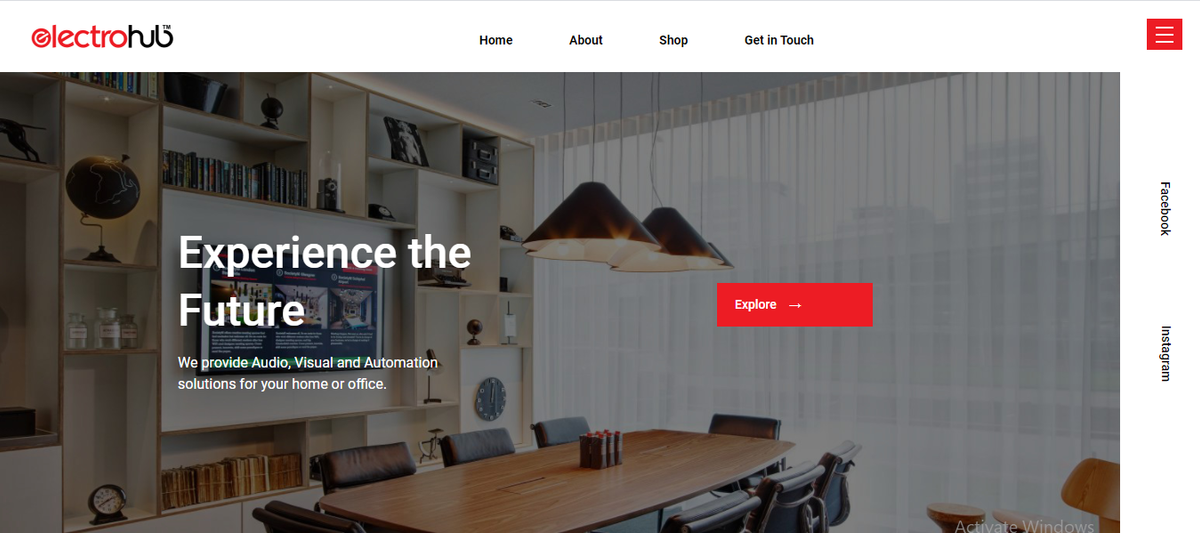
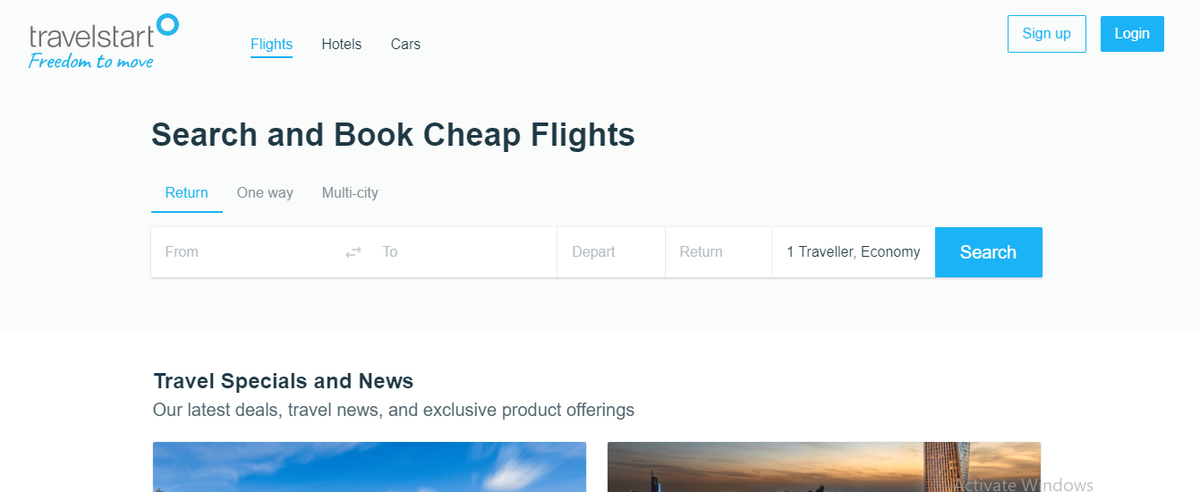
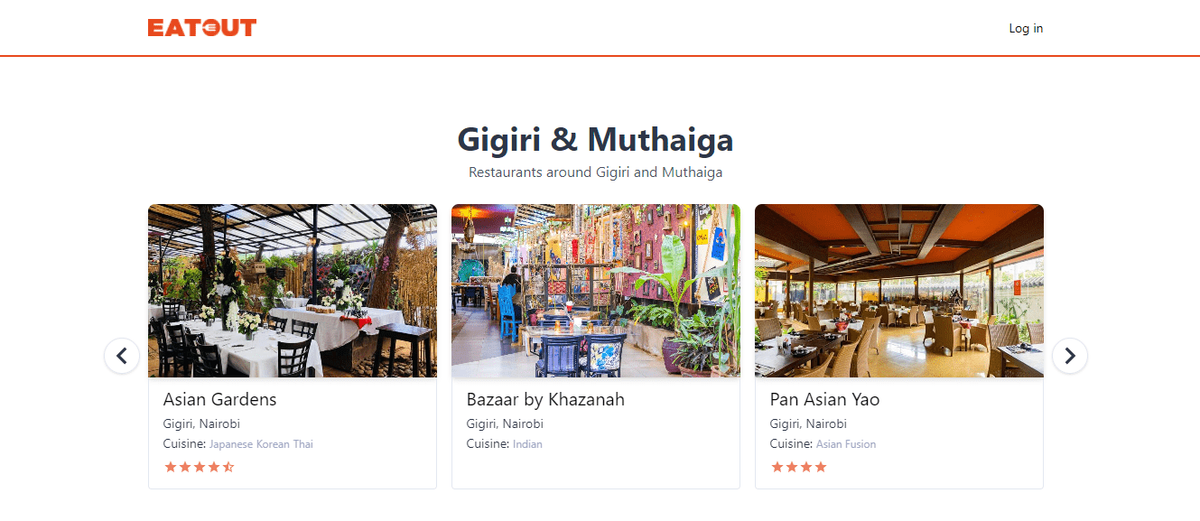
Examples of the best-designed Websites in Kenya?


Conclusion
The right website design company in Kenya should help you build more than an attractive interface. The website should support customer tasks, business objectives, search visibility, security, accessibility and long-term ownership.
Before choosing a provider, define what success looks like, agree on the scope and make sure the team can support both launch and the life of the website afterwards.
If you are planning a website, portal or wider digital-service project, explore Growthpad’s technology services or contact the team.