Website redesign vs service design is about identifying whether your organisation needs a better website or a more effective service experience. Learn how to identify the problem and choose the right approach.
Sometimes the website is the problem.
Sometimes it is just where the problem shows up.
A slow site, confusing navigation or dated design can absolutely cost you users.
But if the real issue is a broken process, unclear hand-offs, duplicated steps or a customer journey that makes sense only internally, a prettier homepage will not fix it.
So, before you brief a designer or start comparing website development pricing in Kenya, it is worth asking one question first: are we redesigning the website, or do we actually need to redesign the service behind it?
The difference matters because website redesign vs service design solves two different problems. One improves the digital interface.
The other looks at the wider experience, including what happens before, during and after the user touches the website.
The website redesign vs service design decision is therefore less about preference and more about where the friction actually sits.
What is a website redesign?
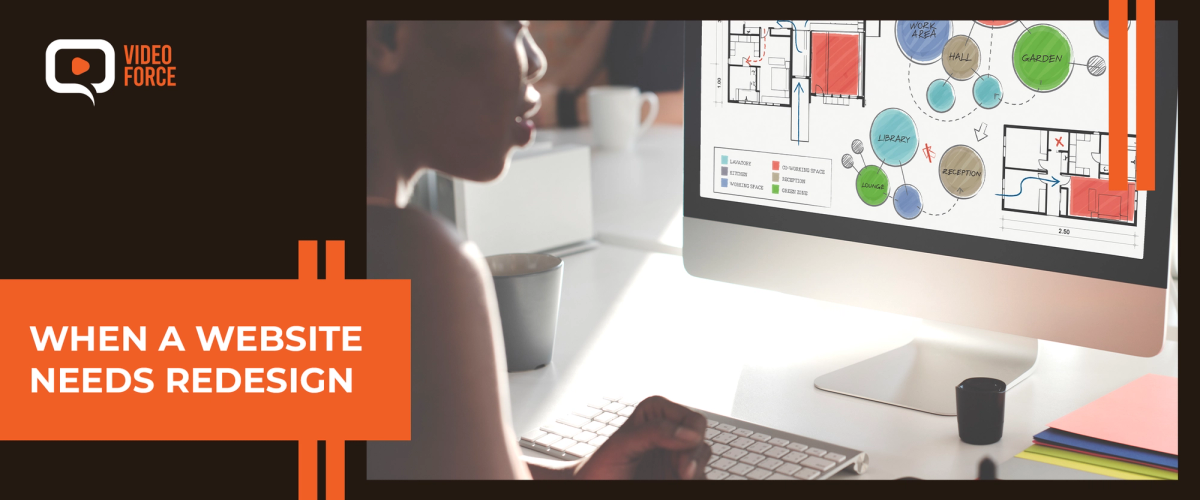
A website redesign focuses on improving the website itself. That may include the visual design, page structure, navigation, content, mobile responsiveness, performance, accessibility, conversion paths and technical setup.
A website redesign Kenya project may be necessary when the current site is difficult to use, no longer reflects the brand, performs poorly on mobile, is hard to update or does not support the organisation’s current goals.
In a website redesign vs service design review, this points toward the website side of the problem.
The strongest redesigns are not cosmetic exercises. They start with what users need to do on the site and how the website supports the organisation’s wider objectives.
If you are already evaluating providers, compare website design companies in Kenya on usability, technical capability, maintenance, accessibility and how well they understand the business problem, not appearance alone.
What is service redesign?
Service redesign looks beyond the website and examines the complete service experience.
That includes the customer journey, internal processes, people, policies, hand-offs, support channels, technology and operational steps that make the service work — or make it harder than it needs to be.
Digital service design asks a broader question: what is the user trying to achieve, and what has to happen across the organisation for that experience to work well?
The same discovery logic applies to mobile app development, where user needs, UI/UX and functionality should be clear before build.
For example, imagine an organisation receives complaints that its online application process is frustrating.
The website may be easy to navigate, but users are still asked to upload the same documents twice, wait several days for manual verification and call a separate team to find out what happens next.
Redesigning the homepage will not solve that. In a website redesign vs service design review, this points toward the service side of the problem.
That is a service redesign problem.
Website redesign vs service design: what is the real difference?
The easiest way to separate the two is to look at where the friction begins.
- Website redesign focuses on the digital interface: what users see, read, click and interact with on the website.
- Service redesign focuses on the full experience: the processes, systems and people that sit behind the interface.
- User experience design often sits between the two, helping teams understand how people interact with a digital product or service and where friction appears.
- Digital service design goes further by connecting the user experience to the operating model required to deliver the service.
There is overlap, of course. A website can be part of a larger service, and changing the service often means changing the website too.
The mistake is assuming the website is always the whole problem because that is the part users can see.
The website redesign vs service design question becomes clearer once teams separate interface friction from operational friction.
7 signs you probably need a website redesign

A redesign may be the right move when the problem is mainly in the website itself. This is the website redesign vs service design test: if the friction is mostly on-page, start with the website.
1. Users cannot find what they need
Navigation has grown messy, important information is buried or the content structure reflects internal departments rather than user needs.
2. The website performs poorly on mobile
If forms, menus, buttons or content do not work properly on smaller screens, the experience will break for a large share of users.
3. Performance is slow or unstable
Google’s Core Web Vitals measure important aspects of real-world web experience, including loading performance, interactivity and visual stability. A redesign can be an opportunity to address technical performance alongside visual changes.
4. The site no longer supports your current goals
Maybe the organisation has grown, entered new markets, introduced new services or changed the way customers buy. The website may simply be carrying an old version of the business.
5. Content is difficult to manage
If simple updates require a developer every time, publishing becomes slow and outdated information stays online longer than it should.
6. Accessibility has been overlooked
A good website should be usable by more people, including people with disabilities. W3C’s WCAG 2.2 provides the current international standard for making web content more perceivable, operable, understandable and robust.
7. The site is not converting
Visitors arrive but do not enquire, register, buy, download or complete the intended action. Before rebuilding everything, test the likely causes.
Controlled A/B testing can help teams compare changes before committing to a larger redesign.
For conversion-led pages, effective landing page design can also help reveal whether the friction is on-page or further down the journey.
7 signs you probably need service redesign
Banner title: 7 Signs You Need Service Redesign
1. Users keep dropping out after the website step
The digital experience may be fine, but verification, approval, payment, fulfilment or follow-up creates the real friction.
2. Customers repeat the same information
If users provide the same details to the website, call centre and another internal team, the process is designed around organisational silos rather than the customer journey.
3. Staff are relying on manual workarounds
Spreadsheets, WhatsApp messages, email chains and repeated copying between systems often signal that the service needs operational redesign, not only a new interface.
4. Ownership is unclear
A customer reaches a problem, and nobody is quite sure which team is responsible. That is usually a service issue.
5. Online and offline channels do not connect
A user starts online, is told to visit a branch, then discovers the branch cannot see what was already submitted. That broken hand-off is part of the service experience.
The website redesign vs service design decision changes when the friction continues beyond the screen.
6. Complaints remain the same after interface improvements
If the site looks better but the same complaints keep coming back, the friction may sit deeper in the process.
7. Internal processes are driving the experience
Policies and workflows are necessary. But when users have to understand the organisation’s internal structure just to complete a simple task, the service has probably become too complicated.
When do you need both?
Quite often. The website redesign vs service design choice is not always either/or.
A website may need a new information architecture, faster performance and clearer content at the same time that the organisation needs to simplify approvals, connect systems or change how support works.
In that case, treating the website as a standalone project creates a risk: the new design launches, but the frustrating parts of the journey remain exactly where they were.
The better approach is to map the service first, identify what needs to change, then decide what role the website should play in the redesigned experience.
How to decide before you spend the budget
You do not need to know the answer before discovery. You do need to ask the right questions.
Start here:
- What task is the user trying to complete?
- Where does the current customer journey become difficult or slow?
- Is the friction happening on the website, after the website or across several channels?
- Which steps are caused by policy, process or internal approvals?
- Which teams and systems are involved in delivering the service?
- What evidence do we have from analytics, customer feedback, support tickets or staff interviews?
- What outcome should improve after the work is complete?
If most of the problems sit in content, navigation, performance or usability, a website redesign may be enough. That makes the website redesign vs service design decision a discovery question, not a design preference.
If the problems involve hand-offs, repeated steps, internal workflows, policy, support or multiple systems, you are probably looking at service redesign — even if the website is where users complain first.
What should a digital discovery session cover?
A useful discovery session should not start with colour palettes or homepage references.
It should establish:
- The business or programme objective
- Priority user groups
- Key user tasks
- Current pain points and drop-off points
- Existing systems and integrations
- Operational constraints
- Content and data requirements
- Accessibility and compliance needs
- Success measures
- What genuinely needs to be built, changed or removed
This is where user experience design becomes useful before development begins. It helps teams move from “we need a new website” to a clearer statement of the actual problem.
Frequently Asked Questions
What is the difference between website redesign and service redesign?
Website redesign improves the website interface, content, structure, usability and technical performance. Service redesign looks at the wider experience, including processes, staff, systems, policies and hand-offs that support the service.
How do I know whether my organisation needs a website redesign?
A website redesign is likely to help when users struggle mainly with navigation, content, mobile usability, accessibility, speed, conversion or outdated design and technology.
What is digital service design?
Digital service design is the process of designing how a service works across digital touchpoints and the systems, people and processes behind them. The aim is to help users complete a real task, not simply interact with a screen.
Can service redesign include a new website?
Yes. A website may be one part of a wider service redesign. The difference is that the website is designed after the wider journey and operational requirements are understood.
Should we redesign the website if conversion is low?
Not automatically. Low conversion can come from poor usability, weak messaging, the wrong audience, unclear offers, slow follow-up or friction later in the journey. Diagnose the cause before rebuilding the entire site.
Final thoughts
A new website can solve a website problem. It cannot solve every service problem.
Before committing the budget, work out where the friction actually sits. If users are struggling with navigation, content or performance, redesign the website.
If they are struggling with the process around it, look at the service. If both are broken, fix them together.
That sounds simple. It can save an organisation from spending a lot of money making the wrong thing look better.
If your organisation is deciding between a website rebuild and a wider service redesign, Growthpad can help map the customer journey, clarify the requirements and define the right digital intervention before development begins.